
Horizon Worlds
A closer look at the social spaces, games, and creator communities behind Meta’s Horizon Worlds—and what changing platform plans mean for the people who make a world feel alive.
Platform in transition · Read the 2026 update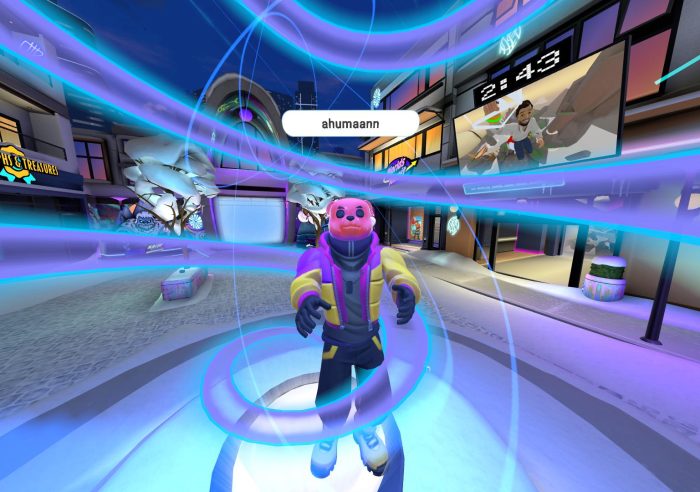

People give a virtual world its purpose.
Horizon Worlds is Meta’s platform for shared experiences and creator-made environments. Its social VR identity has included games, gatherings, performances, and worlds designed for people to explore together.
The environment is only half the experience. A host, a familiar group, or an activity can give a room its energy—and give a visitor a reason to come back.
Historical social experiences: Meta’s product overview ↗
Explore
Worlds can set a mood or give a group an activity. The useful question is what a visitor can do once they arrive.
Connect
A recurring gathering can make an unfamiliar environment feel more like a place with people you know.
Create
World builders design the setting and interactions, while hosts and visitors shape the social atmosphere.
A welcoming world needs a clear first step.
- 🧭 Choose a purpose
Decide whether you want to play, explore, meet people, or learn about making worlds.
- 👀 Read the room
Look for instructions, a host, and any community rules before joining an activity.
- 🛡️ Find your comfort
Understand the available personal-space and safety controls.
- 🔁 Keep a connection
Follow the creator or community outside the world so a platform change does not erase the relationship.
The UX question
How does a world welcome someone arriving alone? Good signage, a small first activity, and a recognisable host can make a larger social space easier to enter.
Follow the creators as the platform evolves.
Meta Horizon Creator Forum
An official hub for world makers sharing questions, resources, and creative work. Explore the creator community ↗ Official forum
Smaller creator circles
The Networking & Collaboration area connects individual builders and projects. Follow a specific creator’s verified links and community rules. Find collaborators ↗ Community discussions · independently run projects
Workshops and events
The creator forum’s events area provides a route to hosted learning and community sessions. Browse events ↗ Official forum · check current dates
These are discovery routes rather than claims that every pictured world is still accessible in VR. Creator-program activity and a particular world’s headset availability are separate questions.
The world can change around its community.
A transition, not a simple “closed” label
Meta’s March transition notice proposed ending VR access in June. Subsequent reporting documented a reversal that retained existing worlds in VR, while development shifted towards mobile.
Check Meta’s latest notices and the specific experience before planning a visit. The original announcement alone does not tell the complete story.
Personal space is a design feature.
Meta introduced Personal Boundary to reduce unwanted proximity between avatars and later adjusted it following feedback. The interface needs to make such controls easy to understand, especially for newcomers. Meta’s Personal Boundary explanation ↗
A social space needs a clear activity.
UX perspective: An attractive environment can still feel empty if visitors do not know what to do. Visible prompts, a host, or a short shared activity can turn looking around into participation.
Platform announcements need to be understandable.
UX perspective: Players and creators need to know what changes, when, and whether their specific world is affected. A reversal should be explained as prominently as the original notice.
Streaming and community ownership.
Creator practice: Get permission before recording other people, respect the world’s rules, and credit the builder. Maintaining an external community contact helps people reconnect if a world or platform changes.
Look inside the experience.
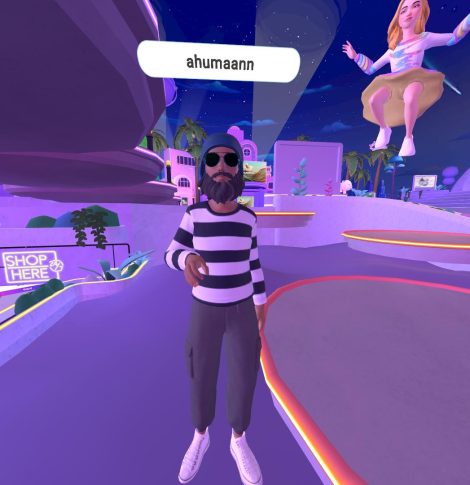
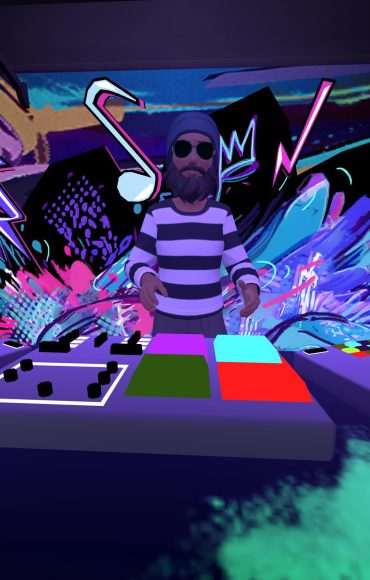
Horizon Worlds captures: images already in aHumaann’s site gallery, dated December 2024. They show past experiences and do not establish a world’s current availability.
Sources & useful links.
- Meta: historical social experiences and safety features ↗
- Meta: Personal Boundary and subsequent updates ↗
- Meta’s original March 2026 transition notice ↗
- March 2026 reporting: existing VR worlds retained ↗
- Official Meta Horizon Creator Forum ↗
Researched 2 October 2026. Product facts are linked to their sources; UX commentary is editorial analysis. Features, community rules, and availability can change. Independent case study by aHumaann; not an official company page.