
Rec Room
An Instagram clip, an iPad, and a game of laser tag. Rec Room turned my curiosity into a headset purchase—and became my first introduction to virtual reality.
Retrospective · Closed 1 June 2026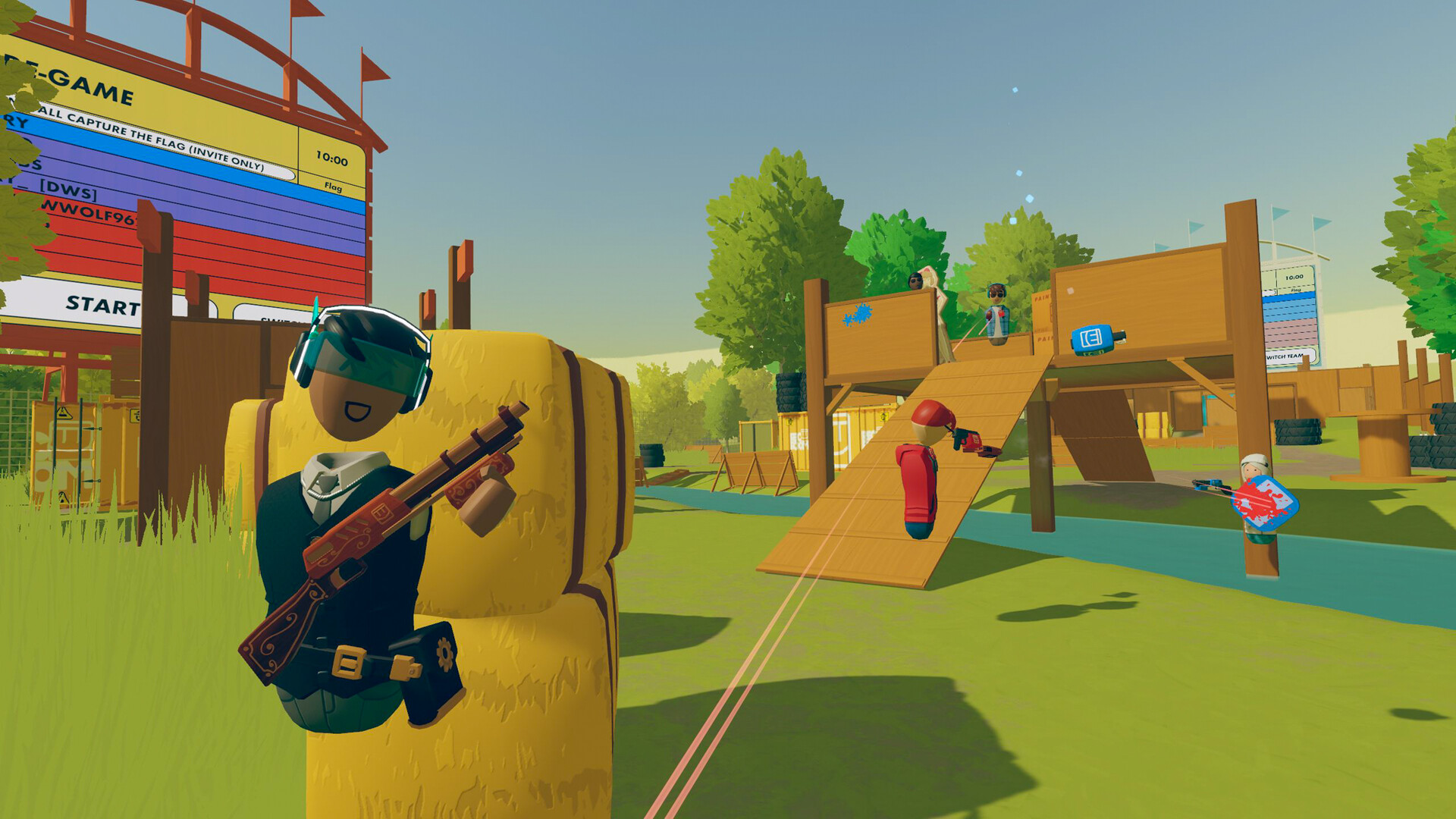

A social world you could play.
Rec Room combined multiplayer games, social spaces, expressive avatars, and rooms built by its players. People could join from screens or VR headsets, so a friend on a tablet could share a room with someone physically moving through it in VR.
Its Maker Pen let creators build objects and environments inside the app. The appeal was the combination: a game could lead to a conversation, and a conversation could lead to a new room.
Historical product description: publisher listing ↗
Play together
Laser tag, paintball, co-operative quests, and community-made games gave people something to do together.
Build a room
The Maker Pen made the environment itself part of the creative experience: build, test, invite people, and iterate.
Stay for the people
Avatars and shared spaces made social play feel closer to hanging out than watching somebody else’s feed.
From an Instagram clip to laser tag.
“I saw someone on Instagram playing laser tag in Rec Room. I downloaded it on my iPad, heard that people in VR were inside the same app, and wanted to be there too. I ended up buying a VR headset to play laser tag.”— aHumaann
- 📱 Instagram
A laser-tag clip introduced me to the game.
- 🎮 iPad
I downloaded Rec Room and began on a screen.
- 🥽 The connection
Realising that VR players shared the app sparked my interest.
- 🎯 My headset
I bought a headset specifically to play Rec Room laser tag.
Why laser tag mattered to me
It gave VR a clear purpose. I wasn’t buying a headset just to look around; I wanted to play. I still haven’t found many other laser-tag experiences that feel like this one to me.
Different reasons to enter the same room.
The laser-tag player
A shared objective makes it easier to join in. Playing together creates conversation without having to invent an introduction.
The co-op teammate
Quests give a group a reason to coordinate, learn from one another, and come back for another attempt.
The room creator
Building shifts the player into a designer’s role. Visitors become an audience—and their behaviour becomes feedback.
What made the screen-to-VR journey work?
UX perspective: I could encounter the game on a device I already owned before committing to a headset. The same social environment made VR feel like the next step in an experience I understood.
What could make a public room difficult?
UX perspective: Voice chat, unfamiliar players, and different expectations can make a lively room overwhelming. A welcoming host, clear rules, and an easy way to leave matter as much as the environment’s artwork.
What would I want a future laser-tag game to keep?
A clear objective, approachable controls, team play, and a social space that makes the next round easy to organise. These are design priorities, rather than a claim that another app reproduces Rec Room.
The communities behind the rooms.
Competitive players
Laser-tag leagues brought organised competition to the game. community history of the Laser Tag League ↗ Independent wiki · historical reference
Builders and creators
Room designers, Maker Pen builders, and people testing each other’s ideas formed a different kind of community around creation.
Friends and regulars
Social rooms and returning groups made the app more than a collection of games. Rec Room Steam discussions ↗ Community discussion · not a working game server
These links document communities and memories. They do not mean the original Rec Room service is playable today, and independent projects are not official replacements.
When the service ends, the balance remains a memory.
Purchased tokens I can no longer use
Over the couple of years I owned the game, I bought many tokens—the coins used in the Rec Room store. When the application closed, I could no longer use that balance. I did not receive a refund for those tokens.
That is the sad side of an app becoming part of your life: the things you paid for can depend on a service you do not control.
What the announcement said
Rec Room announced that service would end at noon Pacific on 1 June 2026, including game login, Rec.net, and Rec Room Studio online services.
The closure terms terminated Rec Token licences and separately described a refund window for gift-card wallet balances. A token balance and a gift-card wallet balance were not the same thing.
The historical gift-card refund window ran from 23 April to 1 June 2026. The original terms page now shows an under-construction notice. My no-refund account above concerns my own purchased tokens; it does not claim that every user or every purchase category had the same outcome.
Closure is confirmed; bankruptcy is not claimed here.
The publisher announced the service closure. This page does not describe the company as bankrupt or assert a legal outcome that the announcement does not establish.
Creation exports were not a playable offline copy.
The publisher released tools to export room, invention, and cloud data before shutdown. Those exports did not recreate working rooms without Rec Room’s servers. Read the publisher’s export notice ↗
The design lesson: explain spending before the checkout.
UX perspective: A store should make the difference between a licensed digital currency, a subscription, and a refundable wallet balance understandable. End-of-service messaging should put deadlines and affected purchases where players can actually find them.
Look inside the experience.
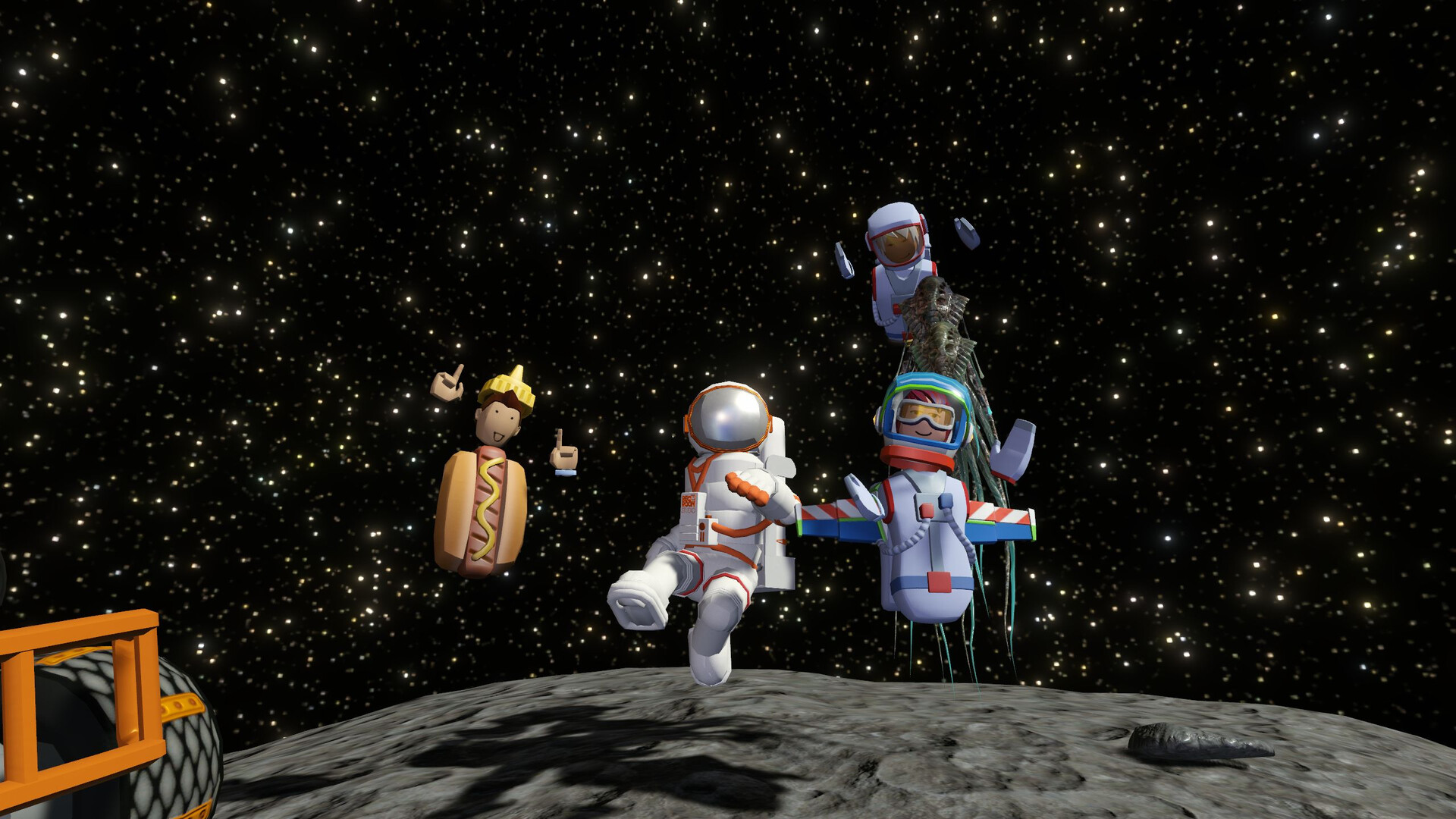
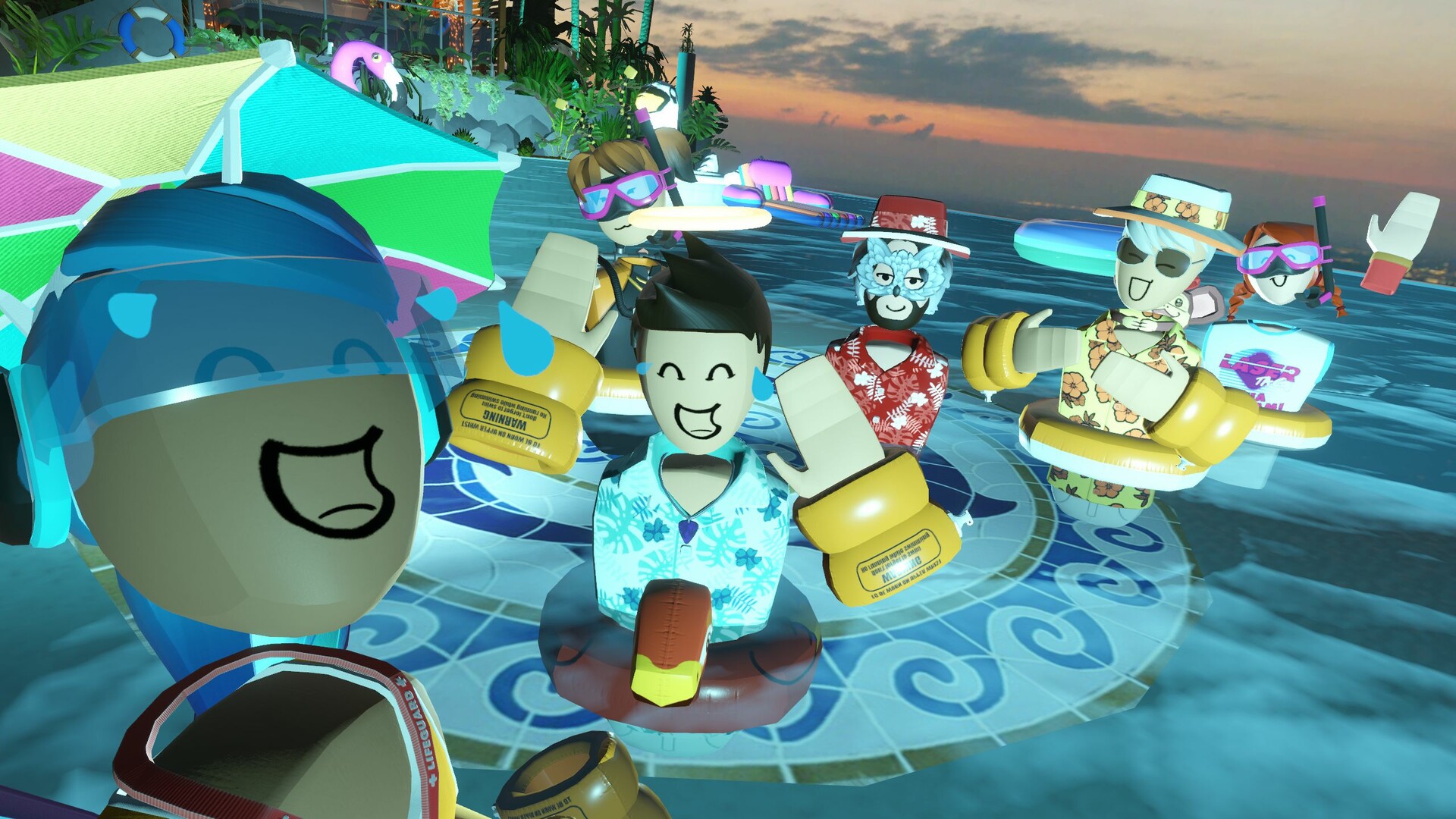
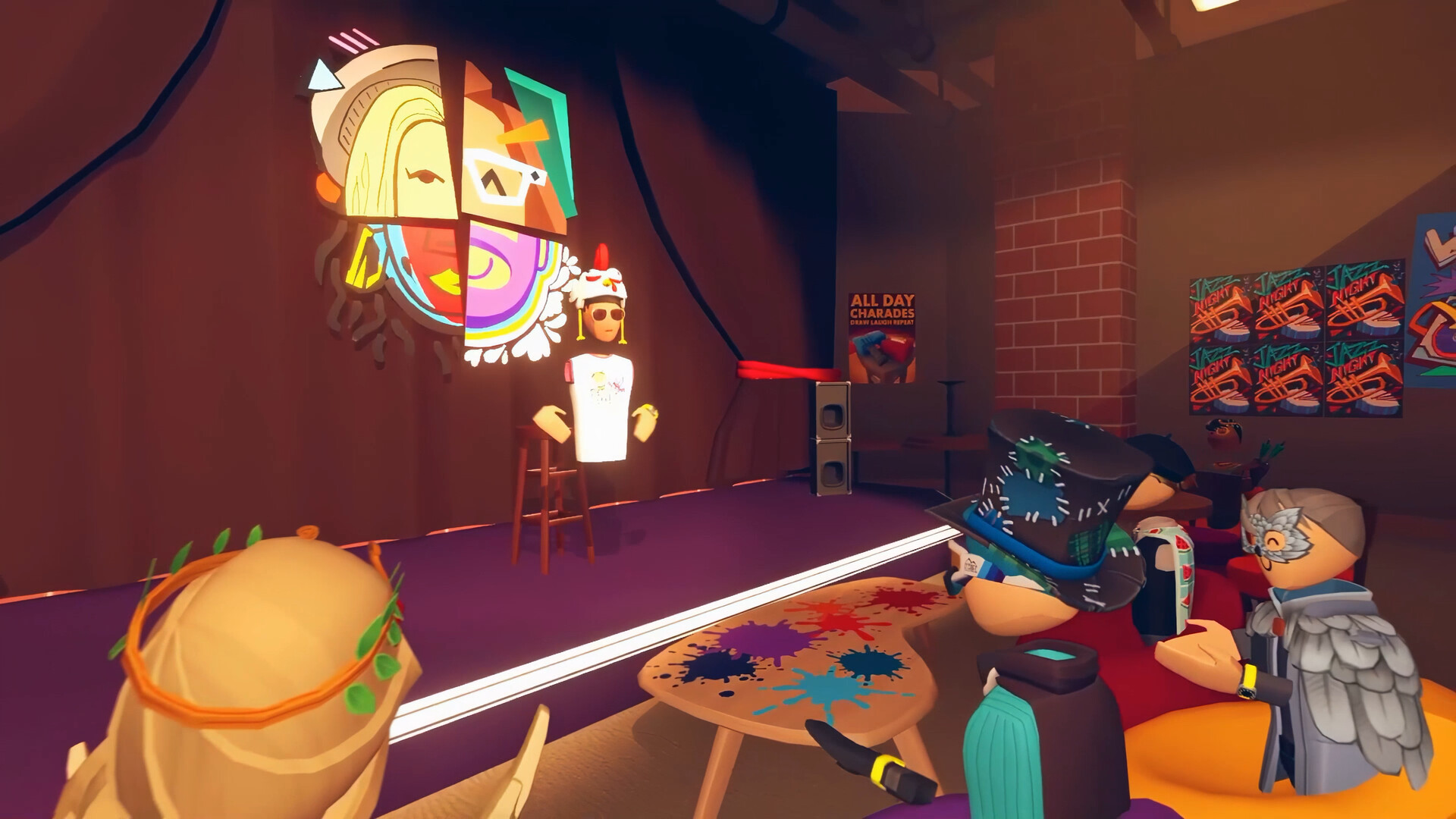
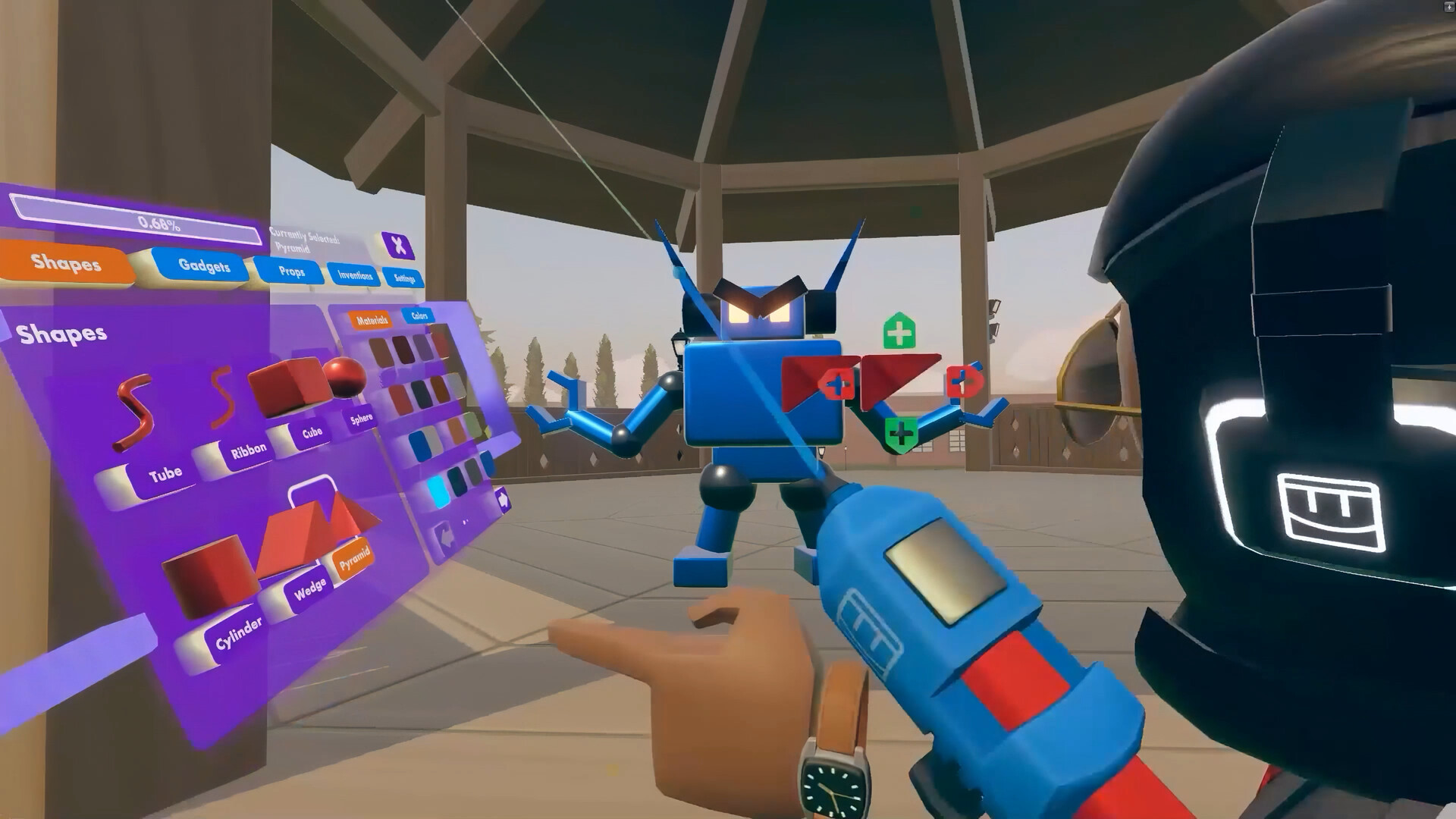
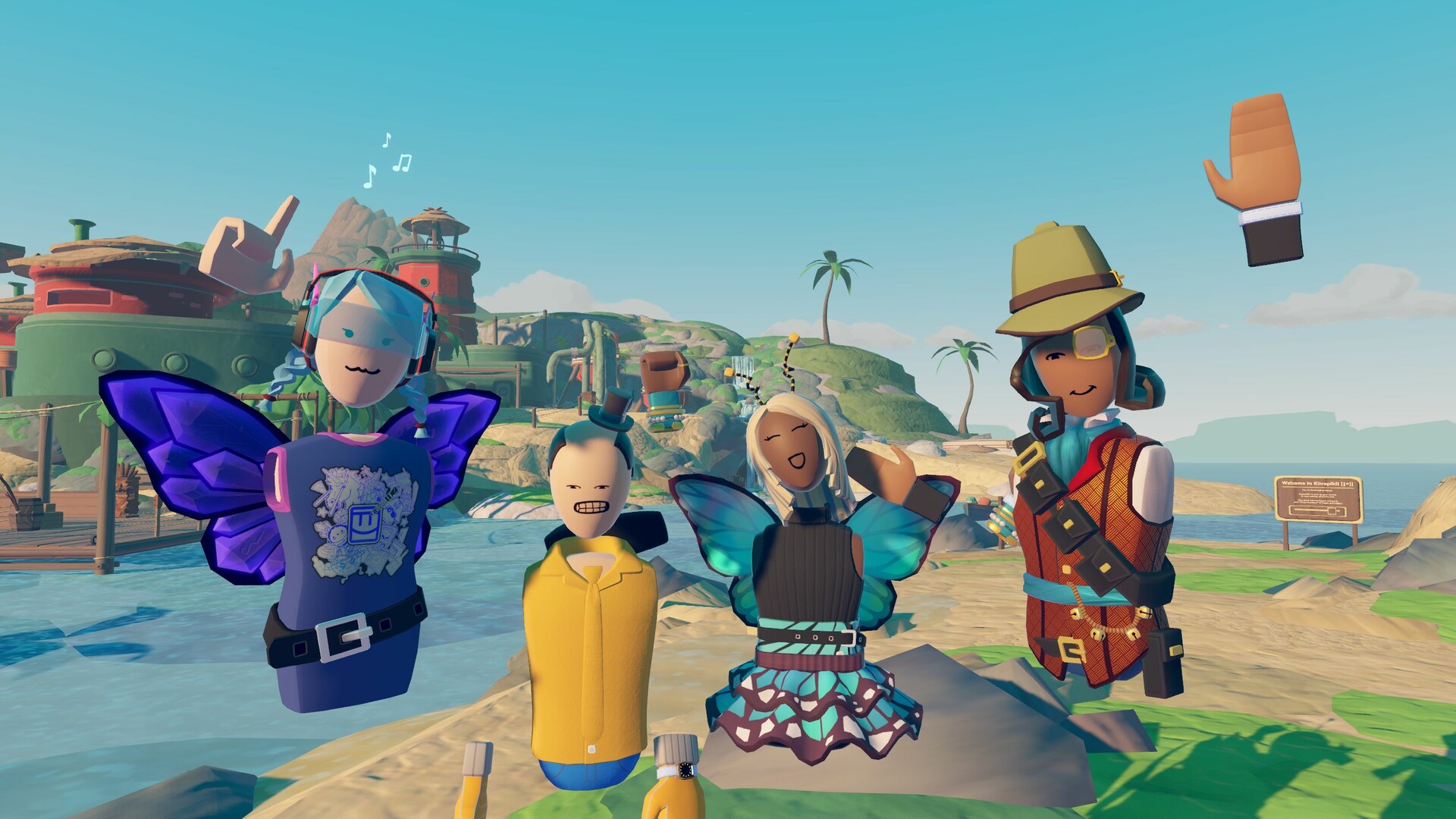
Historical promotional screenshots: Rec Room’s publisher listing on Steam. These are not recordings of my own sessions.
Sources & useful links.
- Rec Room publisher announcements: closure and creation exports ↗
- Rec Room publisher listing: historical features and imagery ↗
- Historical closure terms URL · now under construction ↗
- Publisher announcement: the Laser Tag update (2017) ↗
- Independent Laser Tag League history ↗
Researched 2 October 2026. Product facts are linked to their sources; UX commentary is editorial analysis. Features, community rules, and availability can change. Independent case study by aHumaann; not an official company page.